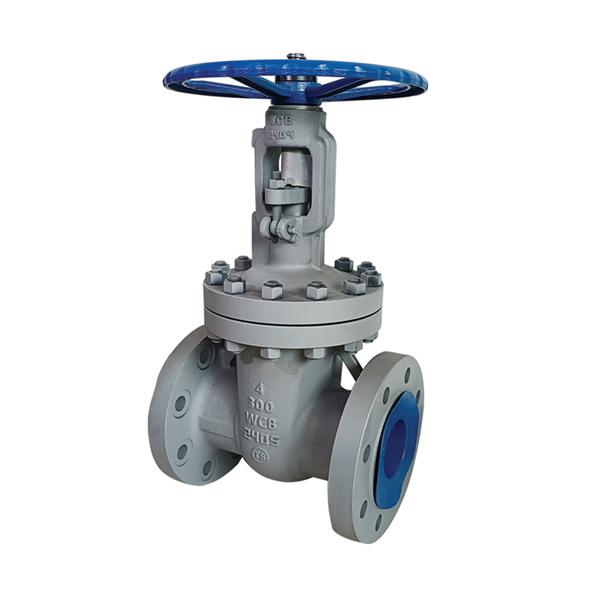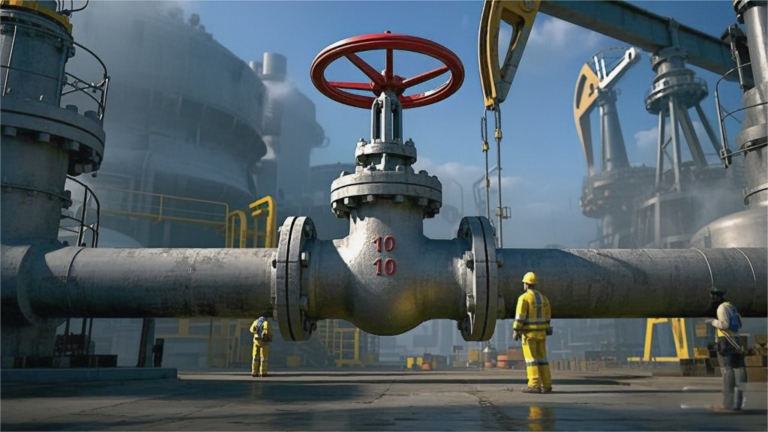
American standard gate valve quality revealed: why it is the “strong guardian” of industrial pipelines
American standard gate valve: the key “goalkeeper” of industrial pipelines!
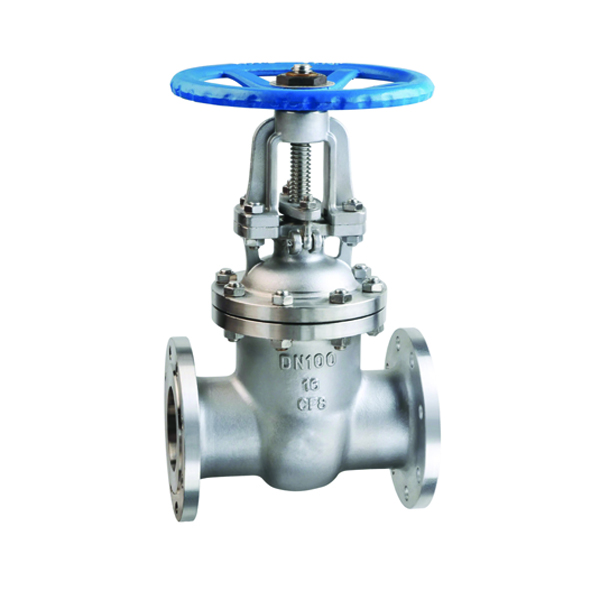
In the vast system of modern industry, various pipelines are like blood vessels in the human body, responsible for transporting various media. As a key component in pipeline systems, American standard gate valves are like loyal “gatekeepers” that control the flow and cutoff of media, and their importance is self-evident.
In the field of petrochemicals, American standard gate valves are ubiquitous from crude oil extraction and transportation to refining and processing. In crude oil pipelines, they can withstand high pressure and harsh medium environments to ensure stable transportation of crude oil; In chemical production facilities, precise control of the entry and exit of various chemical raw materials is essential to ensure the continuity and safety of the production process. The quality of these materials directly affects the quality and production efficiency of chemical products, and any minor quality defects can lead to production accidents and cause significant economic losses.
The power industry also cannot do without American standard gate valves. Whether it is the transportation of high-temperature and high-pressure steam in thermal power generation or the control of water flow in hydroelectric power generation, American standard gate valves play a crucial role. In nuclear power plants, the quality and reliability requirements for valves are even more extreme, because once a valve fails, it may cause serious safety accidents, threatening the surrounding environment and people’s life safety.
Quality cornerstone: High standards forge high quality
The key role that American standard gate valves can play in the industrial field cannot be separated from their strict adherence to a series of high standards. These standards are like precision molds, shaping the excellent quality of American standard gate valves.
The standards developed by the American Petroleum Institute (API), such as API 600, API 602, etc., are of great significance in valve manufacturing for the petroleum and natural gas industry. Among them, API 600 provides detailed specifications for the design and manufacturing process of gate valves, with clear requirements for the overall structural layout of gate valves and the machining accuracy of internal components, ensuring that gate valves can withstand harsh working conditions such as high pressure, flammability, and explosiveness in the oil and gas industry. API 602 focuses on small steel gate valves, emphasizing fire safety design and emergency sealing testing for their application in high-temperature, high-pressure, and small-diameter conditions, providing strong guarantees for valve safety in special scenarios.
The ANSI B16.34 standard of the American National Standards Institute (ANSI) is widely used in various industrial valves, covering the design and manufacturing of American standard gate valves. It has strict limitations on the material selection of valves, specifying the applicable material types based on different medium characteristics and working temperatures to ensure the corrosion resistance and mechanical strength of gate valves in different environments. At the same time, the standard also specifies the pressure temperature rating, allowing the valve to operate stably under different pressure and temperature combinations, avoiding valve damage or leakage caused by abnormal pressure or temperature. In terms of dimensions and tolerances, ANSI B16.34 has also established precise standards to ensure the perfect fit between gate valves and piping systems, reducing errors during installation and use.
The ASME B16.34 standard of the American Society of Mechanical Engineers (ASME) also plays an important role in the design, manufacturing, calibration, and testing of American standard gate valves. It standardizes key performance indicators such as structural strength and sealing performance of gate valves from the perspective of engineering mechanics and mechanical principles, requiring gate valves to maintain good performance and reliability even under rated pressure and temperature. For example, in terms of sealing performance, this standard specifies strict leakage rate indicators to ensure that the medium will not leak when the gate valve is closed, thereby ensuring the safety and stability of industrial production.
These high standards are like sturdy lines of defense, from design blueprints to production workshops, from raw materials entering the factory to finished products leaving the factory, ensuring the quality of American standard gate valves in all aspects. Under high standards, every component is carefully designed and manufactured, every process is strictly controlled, and every test is rigorous and meticulous, making American standard gate valves have excellent performance and reliable quality, becoming a trusted key component in industrial pipeline systems.
The Way of Material Selection: Good materials are the soul of quality
In the manufacturing process of American standard gate valves, material selection is a key link in laying the foundation of its quality, just like choosing a solid cornerstone when building high-rise buildings. The appropriate material not only endows the gate valve with excellent performance, but also determines its service life and reliability under complex working conditions.
Stainless steel, due to its alloy elements such as chromium and nickel, has excellent corrosion resistance and has become one of the commonly used materials for American standard gate valves. In the chemical industry, when gate valves need to control media containing various corrosive chemicals, stainless steel, with its corrosion resistance, effectively resists the erosion of the media, ensuring the structural integrity and sealing performance of the gate valve. For example, in sulfuric acid production facilities, if the American standard gate valve on the pipeline transporting sulfuric acid is made of 316L stainless steel, the molybdenum element it contains can enhance its corrosion resistance to sulfuric acid, allowing the gate valve to work normally even in long-term contact with sulfuric acid, reducing the risk of leakage caused by corrosion. At the same time, stainless steel also has good high-temperature resistance. In some high-temperature environments, such as steam transmission pipelines in thermal power generation, stainless steel American standard gate valves can withstand the impact of high-temperature steam, maintain stable performance, and ensure the normal transmission of steam.
Carbon steel is an indispensable material in the manufacturing of American standard gate valves. It has high strength and good processing performance, and its price is relatively affordable. In some situations where corrosion resistance is not high but strength and pressure bearing capacity are required, such as ordinary water and steam transmission pipelines, carbon steel American standard gate valves have been widely used. In building heating systems, gate valves used to control hot water circulation are often made of carbon steel, which can withstand the pressure and temperature inside the system, ensuring a stable supply of hot water. However, the corrosion resistance of carbon steel is relatively weak. When used in environments with corrosion risks, surface anti-corrosion treatment such as painting, galvanizing, etc. is usually required to extend its service life.
In addition to stainless steel and carbon steel, there are also some special materials used for the manufacturing of American standard gate valves under specific working conditions. In environments with high temperature, high pressure, and strong corrosiveness, duplex steel, with its unique crystal structure and the advantages of both ferrite and austenite, exhibits high strength, high toughness, and excellent corrosion resistance, making it an ideal material selection. In offshore oil extraction platforms, the complex medium environment of seawater and oil and gas places extremely high demands on gate valves. Dual phase steel American standard gate valves can maintain good working conditions under such harsh conditions, ensuring the smooth progress of oil extraction and transportation. In some special working conditions of ultra-high temperature or ultra-low temperature, special materials such as nickel based alloys and titanium alloys are also used, which have special physical and chemical properties and can meet the needs of American standard gate valves in extreme environments.
The characteristics of materials are closely related to the quality and service life of gate valves. Materials with strong corrosion resistance can effectively resist the corrosion of media, prevent damage to internal components of gate valves, and thus extend the service life of gate valves; Materials with good wear resistance can reduce the wear of sealing surfaces and other parts during the opening and closing process of gate valves, ensuring long-term stability of sealing performance; High temperature resistant materials ensure that gate valves will not experience deformation, leakage, or other issues due to material performance degradation in high-temperature environments. At the same time, the selection of materials also needs to be adapted to specific working conditions, taking into account factors such as the properties, temperature, and pressure of the medium. Only in this way can we manufacture American standard gate valves with excellent performance and reliable quality.
Craftsmanship and Manufacturing: Details Determine Success or Failure
In the manufacturing process of American standard gate valves, Runklein’s advanced processing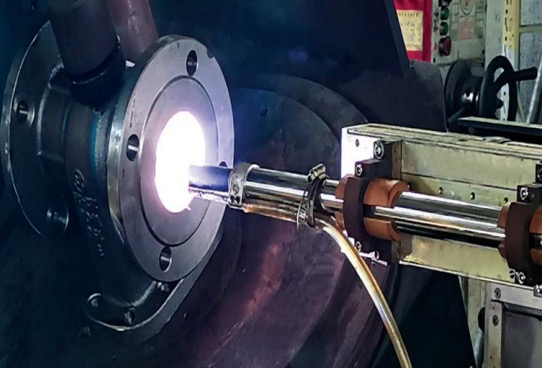 equipment and exquisite craftsmanship are the key to ensuring high precision and quality. Every detail is like a paintbrush in the craftsman’s hand, carefully depicting the excellent quality of the gate valve.
High precision cutting technology is the first step in the manufacturing of American standard gate valves. In the material cutting process, advanced laser cutting technology or CNC cutting equipment is used to cut raw materials according to precise dimensions and shapes, ensuring the dimensional accuracy of gate valve components. Compared with traditional cutting methods, the accuracy of laser cutting can be controlled at the millimeter or even micrometer level, effectively reducing material waste and subsequent processing workload. When manufacturing the valve body of gate valves, laser cutting technology can accurately cut out complex shapes and internal channels, laying a good foundation for subsequent processing and assembly.
The polishing process is also indispensable, as it relates to the smoothness and sealing performance of the gate valve surface. The traditional manual polishing method is not only inefficient, but also difficult to ensure the consistency of polishing quality. Nowadays, more and more manufacturers are using automated polishing equipment, combined with advanced polishing processes, to finely polish key parts such as the sealing surface and outer surface of gate valves. Some high-end polishing equipment can precisely polish gate valves of different shapes and sizes according to preset programs, achieving extremely low roughness on the sealing surface, thereby improving the sealing performance of gate valves and reducing the risk of leakage. The patent for “An Efficient Grinding Device for Gate Valves” applied by Yangzhou Noah Fluid System Technology Co., Ltd. is a good example. The device achieves double-sided alternating reciprocating grinding of multiple gate plates through a unique design, which not only improves the grinding efficiency but also effectively prevents the gate plates from deforming or shaking due to the pressure of the grinding blocks, ensuring the processing quality.
Welding process plays a crucial role in the manufacturing of American standard gate valves, especially for some large gate valves or special structure gate valves. During the welding process, advanced technologies such as argon arc welding and plasma welding, combined with high-precision welding equipment, can ensure the quality and strength of the weld seam. Argon arc welding is widely used in the welding of stainless steel and other materials due to its advantages such as stable arc, concentrated heat, and small welding deformation, which can ensure the sealing and corrosion resistance of the weld seam. When welding the valve body and valve cover of a gate valve, precise control of welding parameters such as current, voltage, welding speed, etc. is used to make the weld uniform and firm, avoiding defects such as porosity and cracks. At the same time, after welding, strict non-destructive testing such as ultrasonic testing, radiographic testing, etc. will be conducted on the weld seam to ensure that the internal quality of the weld meets the standard requirements.
In addition to advanced processing technology, strict quality inspection during the production process is also an important guarantee for the quality of American standard gate valves.
After each process is completed, there are corresponding inspection procedures and standards. The first inspection system requires a comprehensive inspection of the first part processed by each operator, especially strict verification of the key dimensions specified on the machining process card, and truthful filling of records. This is like precise measurement of the first cornerstone in construction, ensuring that subsequent construction can be carried out according to accurate standards. The inspection system targets key parts or processes specified in the process documents, and inspectors conduct random flow inspections to monitor the machining process in real time, identify and solve problems in a timely manner, and ensure that the entire machining process of key parts is under control. The transfer inspection system is like a checkpoint, conducting a full inspection of parts that are about to enter the next process. Only parts that pass the inspection can enter the next process. It is strictly prohibited for unqualified products to flow into the next process to prevent problems from being magnified in subsequent processing. The completion inspection system is a comprehensive physical examination of finished products, conducting comprehensive performance testing on gate valves that have completed all processing procedures, including appearance inspection, size measurement, pressure testing, sealing testing, etc., to ensure that every American standard gate valve leaving the factory meets high-quality standards.
Performance verification: rigorous testing reveals the true essence
Runklein American standard gate valves undergo a series of rigorous performance tests before leaving the factory. These tests are like rigorous tests, and only gate valves that pass the tests can obtain a “pass” to enter the industrial field.
Pressure testing is an important part of the performance testing of American standard gate valves, mainly including shell testing and sealing testing. The shell test aims to verify the strength of the gate valve body, ensuring that it will not rupture or deform when subjected to high pressure. During the experiment, seal all channels of the gate valve and inject liquid (usually water) at a specified pressure into the valve body. The test pressure is generally 1.5 times the nominal pressure and maintained for a certain period of time (such as 5 minutes or more). Observe whether there are any abnormal phenomena such as leakage or deformation in the valve body. If any damage or leakage occurs to the valve body during the testing process, it indicates that the shell strength of the gate valve does not meet the requirements. The sealing test focuses on testing the sealing performance of the gate valve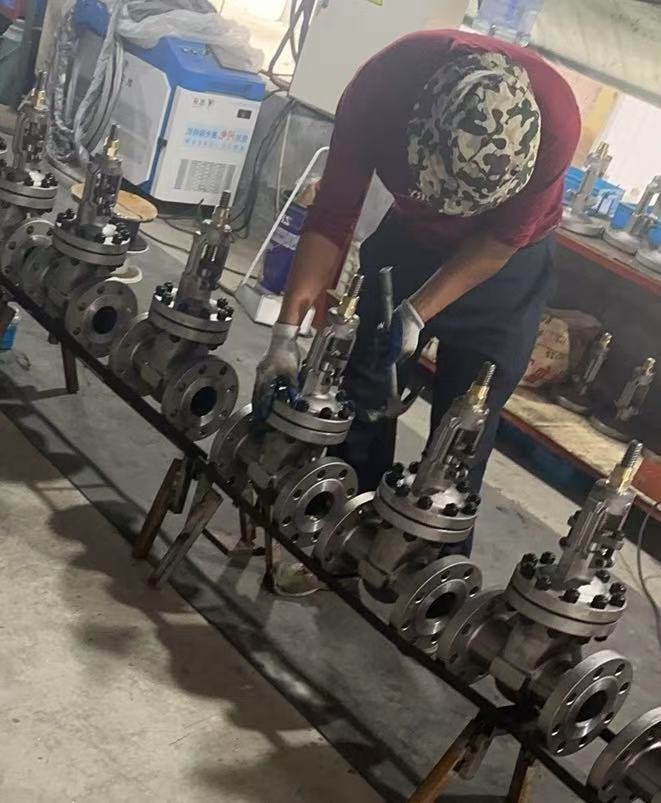 when it is closed to prevent medium leakage. The test pressure is usually 1.1 times the nominal pressure, and the test medium is introduced from one side of the gate valve closure to observe whether there is leakage on the other side. For bidirectional sealed gate valves, the same test needs to be conducted from the other side. In petrochemical pipelines, if the sealing performance of American standard gate valves is poor, once the medium leaks, it may cause serious accidents such as fire and explosion. Therefore, the strictness of the sealing test is crucial.
Operational performance verification is also essential. This test simulates the opening and closing process of gate valves in actual use, testing their flexibility and reliability in operation. During the testing process, it is necessary to open and close the gate valve according to the specified number of operations (such as hundreds or even thousands of times), and observe the operation of the gate valve. The gate should be able to rise and fall smoothly, and the valve stem should rotate flexibly without any jamming or jamming. At the same time, it is necessary to check the sealing performance of the gate valve during the opening and closing process to ensure that the sealing performance remains good under frequent operation. In some large industrial facilities, gate valves may need to be frequently opened and closed. If the operational performance is poor, it can not only affect production efficiency but also lead to equipment failure.
In addition, there are some special working condition tests used to test the performance of American standard gate valves in extreme environments. In high-temperature testing, the gate valve is placed in a high-temperature environment (such as 300 ℃, 500 ℃, etc.) and tested according to normal operating procedures to observe the structural stability, sealing performance, and operational performance of the gate valve at high temperatures. High temperature can cause changes in the performance of materials, which is a severe test for various components of gate valves. In low-temperature testing, the gate valve is cooled to a low-temperature state (such as -40 ℃, -196 ℃, etc.), and various performance tests are also conducted to ensure that the gate valve can work normally in low-temperature environments. For American standard gate valves used in low-temperature fields such as natural gas liquefaction, low-temperature testing is the key to ensuring their reliability. In the corrosion resistance test, the gate valve is exposed to a corrosive medium environment, such as a solution containing acid, alkali, salt, etc. After a certain period of time, the corrosion condition of the gate valve is checked to evaluate its corrosion resistance performance. In fields such as marine engineering and chemical engineering, gate valves face strong corrosion risks, and corrosion resistance testing can screen gate valves suitable for these harsh environments.
The importance of these performance tests is self-evident. Pressure testing ensures the safety of gate valves in high-pressure environments, preventing medium leakage accidents caused by valve body rupture or seal failure; Operational performance verification ensures the convenience and reliability of gate valves in practical use, avoiding the impact of operational failures on production processes; Special working condition testing enables gate valves to adapt to various complex working conditions and expand their application range. Through these rigorous performance tests, only American standard gate valves with excellent performance and reliable quality can stand out and provide solid guarantees for the stable operation of industrial pipeline systems.
Quality influencing factors: multidimensional analysis
The quality and service life of American standard gate valves are influenced by various factors, among which the working environment and maintenance are crucial aspects.
The characteristics of the medium in the working environment have a significant impact on American standard gate valves. When the medium is corrosive, such as acidic or alkaline media in chemical production, it will gradually erode the internal components of the gate valve, especially the sealing surface and valve body. Long term exposure to corrosive media may cause corrosion and damage to the sealing surface, leading to leakage problems in gate valves and seriously affecting their normal operation. In some pipelines handling chlorine containing media, the metal material of the gate valve is prone to pitting corrosion, which reduces the structural strength of the gate valve. If the medium is abrasive, such as mud or slurry containing solid particles, during the flow of the medium, the particles will continuously wash the internal surface of the gate valve, causing wear on the sealing surface and 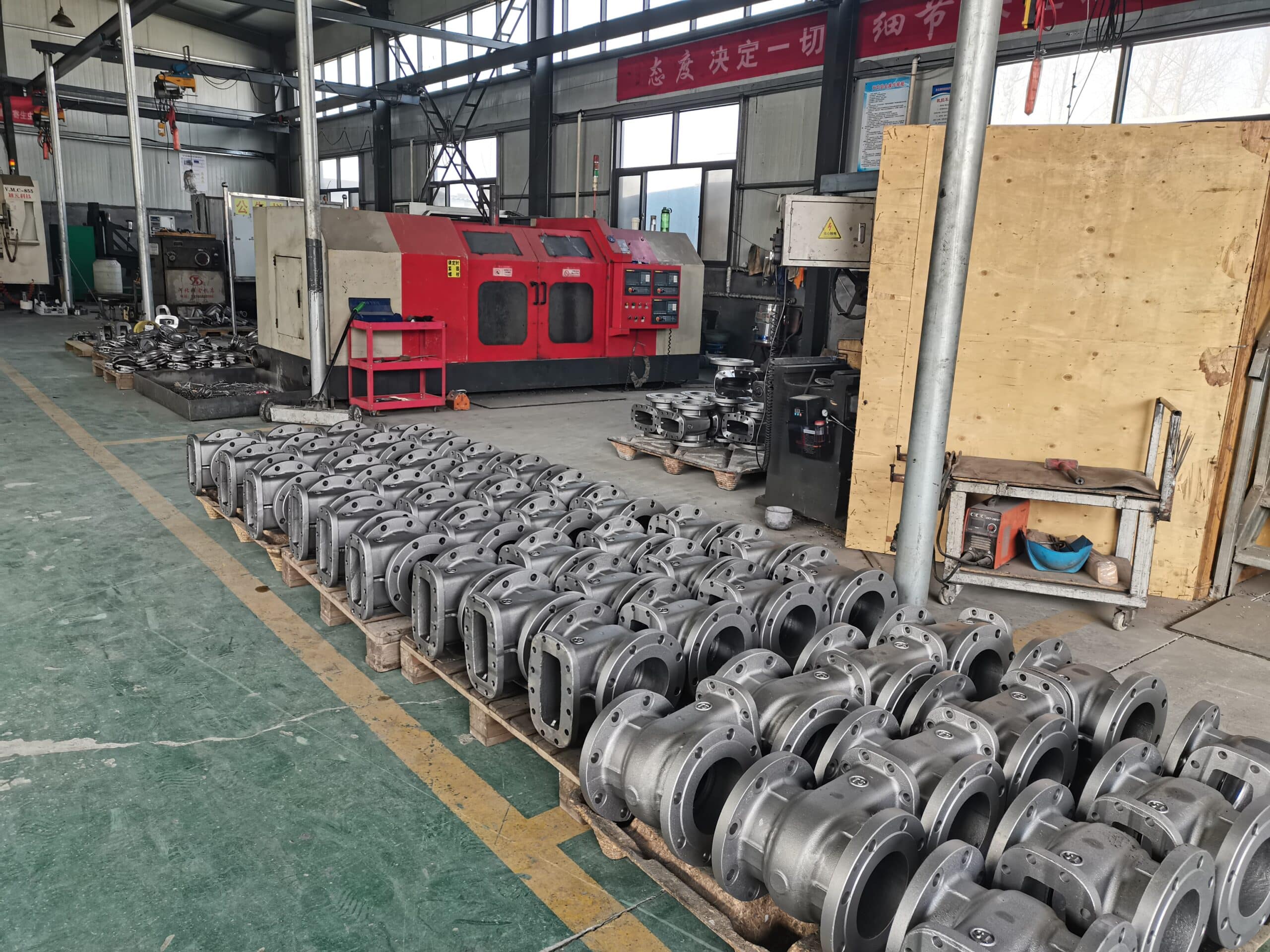 gate plate, and shortening the service life of the gate valve. In the transportation pipeline of mining, the slurry containing a large amount of ore particles will cause serious abrasion to the gate valve, resulting in a decrease in the sealing performance and flow capacity of the gate valve.
The working temperature and pressure are also key factors affecting the quality and service life of American standard gate valves. High temperature environment can cause changes in the material properties of gate valves, resulting in a decrease in their strength and hardness, thereby affecting the structural stability of gate valves. At high temperatures, sealing materials are also prone to aging and deformation, losing their sealing performance and causing medium leakage. In high-temperature steam pipelines for thermal power generation, if gate valves are exposed to high temperatures for a long time, their seals may fail due to high temperatures, causing steam leakage. If the pressure is too high, it will generate huge pressure on the valve body and sealing structure of the gate valve, exceeding the rated pressure range of the gate valve, which may lead to serious problems such as valve body rupture and sealing failure. In oil and gas pipelines, when the pressure rises abnormally, the gate valve may not be able to withstand the high pressure and may be damaged, endangering the safe operation of the pipeline system.
Improper installation, use, and maintenance can also lead to a series of quality issues. During the installation process, if the installation position of the gate valve is incorrect, such as not following the flow direction of the medium, it may cause the gate valve to malfunction and even accelerate its damage. In pipeline systems, if gate valves are installed in areas with high vibration, long-term vibration can cause the components of the gate valve to loosen, affecting its sealing performance and stability. During use, frequent opening and closing of gate valves can cause frequent friction on the sealing surface, accelerate wear on the sealing surface, and reduce the service life of gate valves. In some industrial production, operators frequently operate gate valves to meet production needs, resulting in premature damage to the sealing surface of the gate valve. Lack of regular maintenance is also a common problem. Irregular inspection, lubrication, cleaning, and other maintenance work on gate valves can lead to the accumulation of impurities inside the valve, rust on the valve stem, and cause malfunctions such as gate valve jamming and ineffective opening and closing. In some old industrial facilities, due to the lack of emphasis on maintenance of gate valves, the probability of gate valve failure has significantly increased.
To prevent quality issues caused by improper work environment and maintenance, a series of effective measures need to be taken. When facing corrosive media, materials with good corrosion resistance should be selected to manufacture gate valves, such as stainless steel, duplex steel, etc., and surface anti-corrosion treatment should be carried out on the gate valves. For abrasive media, materials with good wear resistance can be selected, and wear-resistant lining can be installed inside the gate valve. For high-temperature environments, select materials and seals that are resistant to high temperatures, and take insulation measures; For high-pressure conditions, ensure that the pressure rating of the gate valve meets the requirements and install pressure protection devices. During the installation process, strictly follow the installation instructions to ensure that the gate valve is installed in the correct and secure position. During use, avoid frequent operation of the gate valve and follow the operating procedures. Establish a regular maintenance system, regularly inspect, lubricate, clean and perform other maintenance work on gate valves, and promptly identify and address potential issues. Through these preventive measures, the quality and service life of American standard gate valves can be effectively improved, ensuring the safe and stable operation of industrial pipeline systems.
Market chaos and identification: discerning true gold with discerning eyes
In the market of American standard gate valves, it is not a pure land, and various phenomena of passing off inferior products as good and counterfeiting occur from time to time, like hidden traps in the dark, bringing many risks to buyers and users.
Some unscrupulous merchants, in pursuit of high profits, are willing to reduce production costs and use inferior materials to manufacture American standard gate valves. Replacing stainless steel with ordinary carbon steel or reducing the content of alloying elements in stainless steel greatly reduces the corrosion resistance of gate valves. Such gate valves may appear to work normally in the short term, but in actual use, when faced with corrosive media or harsh working environments, problems such as corrosion and leakage will quickly occur, seriously affecting the safety and stability of industrial production. Some businesses also produce counterfeit American standard gate valves by imitating the appearance and logo of well-known brands, deceiving consumers with false information. These counterfeit products not only cannot guarantee quality, but also differ greatly from genuine products in terms of performance and reliability. Once used in critical situations, they may cause serious accidents.
So, how can we identify high-quality American standard gate valves and avoid falling into these traps? Checking the product label is the first step. Legitimate American standard gate valve products will be clearly labeled with brand name, model specifications, nominal pressure, nominal diameter, material and other information. These markings are like the product’s “ID card”, authentic and reliable. If the labeling is unclear, the information is incomplete, or there are even errors, then this gate valve is likely to have quality issues. Certification certificates and testing reports are also important reference basis. High quality American standard gate valves usually obtain relevant international certifications, such as API certification, ASME certification, etc. These certifications are authoritative recognition of product quality and performance. At the same time, legitimate manufacturers will provide product testing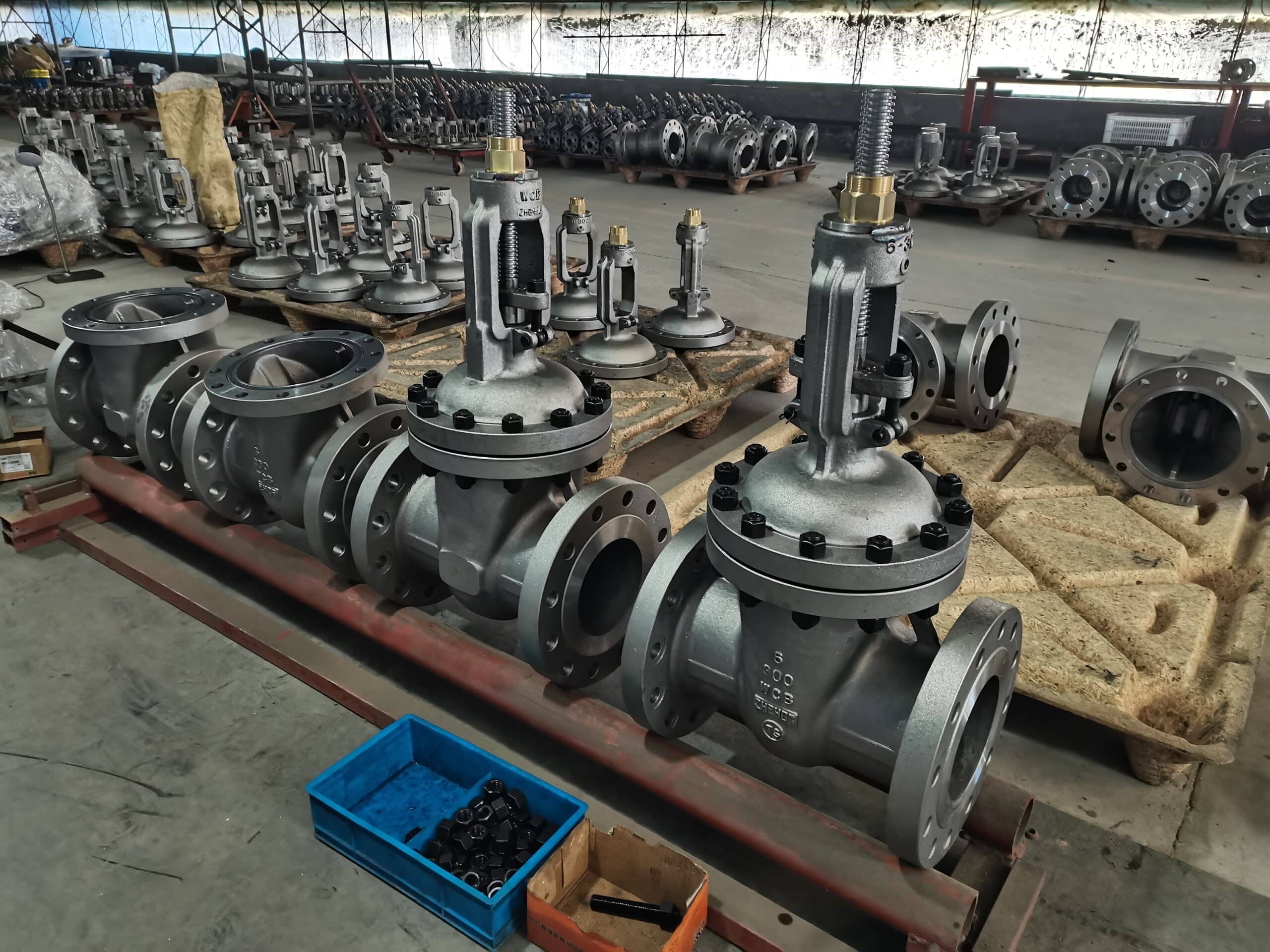 reports, detailing the various performance indicators and testing results of the product. By viewing the testing reports, one can understand whether the quality of the gate valve meets the standard requirements.
Appearance and workmanship are also important aspects to distinguish the quality of American standard gate valves. High quality gate valves have a smooth and flat appearance, without obvious defects such as sand holes, pores, etc. The surface coating is uniform and firm, and the color is bright. The appearance of inferior gate valves is often rough, which may have casting defects and coatings that are prone to peeling off. In terms of workmanship, the fit between the various components of the gate valve should be tight, the clearance should be uniform, the valve stem should rotate flexibly, and there should be no jamming phenomenon. If the components of the gate valve are not assembled accurately, there may be looseness or excessive clearance, which may result in leakage, poor operation and other problems during use. The texture and color of the material can also reflect the quality of the gate valve. Stainless steel gate valves should have a metallic luster on their surface, uniform texture, and no obvious impurities or patterns. If the material has a rough texture and a dull color, it may be due to the use of inferior materials.
When choosing American standard gate valves, it is important to choose reputable suppliers and manufacturers. The reliability of product quality can be evaluated by understanding the manufacturer’s reputation, production scale, production process, and other related information. At the same time, attention should be paid to reviewing the relevant documents and materials of the product, such as product manuals, quality assurance certificates, etc., to ensure the quality of the product and after-sales service are guaranteed. For some important engineering projects or occasions with high quality requirements, it is recommended to conduct on-site inspections to personally understand the manufacturer’s production situation and product quality, in order to ensure the procurement of high-quality American standard gate valves.
Choose Runklein American standard gate valve to ensure the safety of industrial pipelines
As a key component in industrial pipeline systems, the quality of American standard gate valves directly affects the safety and stability of the entire industrial production. From petrochemicals to power energy, from marine engineering to municipal construction, American standard gate valves play an irreplaceable role in various fields.
Reliable American standard gate valves are the cornerstone of stable operation in industrial pipeline systems. It can withstand various harsh working environments, ensure the safe transportation of media, and avoid serious accidents such as leaks and explosions caused by valve failures. In terms of material selection, high-quality materials endow gate valves with excellent performance, making them have good corrosion resistance, wear resistance, and high temperature resistance, thereby extending their service life. Advanced technology and manufacturing techniques ensure the high precision and quality of gate valves, with every detail carefully polished and every process strictly controlled. Strict performance testing is a comprehensive inspection of the quality of gate valves. Only gate valves that pass multiple tests can provide protection for industrial pipeline systems.
However, the quality of American standard gate valves in the market varies greatly, and the phenomenon of passing off inferior products as good and counterfeiting occurs from time to time, which poses great risks to industrial enterprises. Therefore, industrial enterprises must be cautious and pay attention to quality when choosing American standard gate valves. Carefully check the product identification, certification certificate, and testing report to distinguish the authenticity and quality of the product. Pay attention to the appearance and workmanship of the product, and choose products with smooth appearance and fine workmanship. Choose legitimate suppliers and manufacturers, understand their reputation and production strength, and ensure product quality and after-sales service are guaranteed.
The safe and stable operation of industrial pipeline systems relies on the support of high-quality American standard gate valves. Let’s work together, value the quality of American standard gate valves, choose reliable brands and products, and contribute to the safety and development of industrial production.