GATE VALVES: CRITICAL COMPONENTS FOR EFFICIENT FLUID CONTROL AND GUIDELINES FOR SELECTION
In the industrial production and daily life, the stability and efficiency of the fluid control system are directly related to the safety and efficiency of the entire production process. As an essential part of the fluid control system, the gate valve, with its unique structural design and excellent control performance, stands out from many valve types and becomes the preferred product in many industry fields.
1、 Operating principle and structural characteristics of gate valve
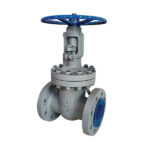
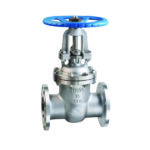
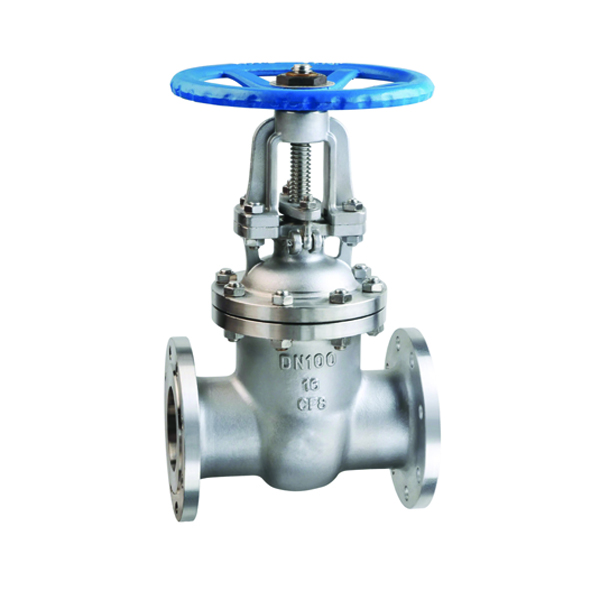
Gate valve, also known as gate valve, is a kind of valve that realizes fluid connection and disconnection through the lifting of gate. When the gate rises, the fluid passage is fully opened to allow the fluid to flow freely; When the gate descends and sticks to the seat, it forms a seal that effectively blocks the flow. This simple and efficient operating principle allows gate valves to perform well in applications where complete fluid shut-off is required.
The structural features of the gate valve are mainly reflected in the sealing mode between the gate plate and the valve seat. The gate is usually made of metal, and the precision machining ensures a good fit with the valve seat. The seats may be made of metal, rubber, or other composite materials to accommodate different fluid media and operating pressures. In addition, gate valves are equipped with handwheels, electric or pneumatic actuators for ease of operation and control.
2、 Gate Valve Material Selection and Selection Guide
The material selection of gate valve is directly related to its corrosion resistance, wear resistance and service life. When selecting gate valve material, the nature of fluid medium, working pressure, temperature range and economic cost shall be comprehensively considered. For example, for highly corrosive fluid media, anti-corrosion materials such as stainless steel, titanium alloy or Hastelloy alloy can be selected; For high temperature and high pressure environment, special alloy material resistant to high temperature and high pressure shall be selected.
For type selection, the type, specification and connection mode of gate valve shall be determined according to specific fluid control system requirements. Common gate valve types include rising stem gate valve, non-rising stem gate valve, wedge gate valve and parallel gate valve. Each type has its unique application scenarios and advantages. Specifications shall be determined according to parameters such as diameter, working pressure and temperature of fluid channel. Connection modes include flange connection, threaded connection and welded connection, etc., which shall be selected according to site installation conditions and characteristics of fluid medium.
3、 Routine maintenance of gate valve
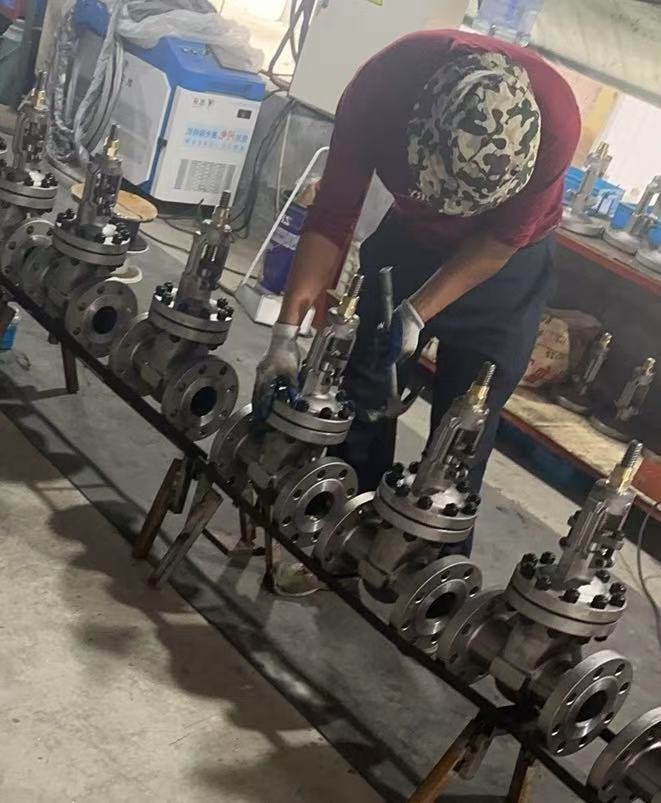
In order to ensure the long-term stable operation of the gate valve, regular maintenance is required. This includes checking the sealing performance of the gate and valve seat, cleaning the impurities and dirt inside and outside the valve body, lubricating the actuator and checking whether the fasteners are loose. Meanwhile, attention shall be paid to the operation specification of gate valve to avoid valve damage caused by excessive force or improper operation. For gate valves left unused for a long time, necessary anti-rust and anti-corrosion measures shall be taken to extend their service life.
4、 Application of Gate Valve in Different Industries
Gate valves are widely used in petroleum, chemical industry, electric power, metallurgy, water treatment and other industries due to their excellent fluid control performance and wide applicability. In the oil industry, gate valves are used to control the transportation of crude oil and natural gas; In the chemical industry, it is used to regulate the flow of various corrosive media; Gate valves play an important role in cooling water systems and steam piping in the power industry. In addition, gate valves play an irreplaceable role in water treatment, food processing and pharmaceutical industries.
To sum up, as the key component in the fluid control system, the performance and model selection of the gate valve are directly related to the stable operation and efficient management of the whole system. Through in-depth understanding of the working principle, structural features, material selection and selection guidelines and daily maintenance methods of gate valves, we can better apply this important component and provide a safer, more reliable and more efficient fluid control solution for industrial production and daily life.